The Importance of Essential Fats for Your Canine Companion
Updated: Nov 25, 2025
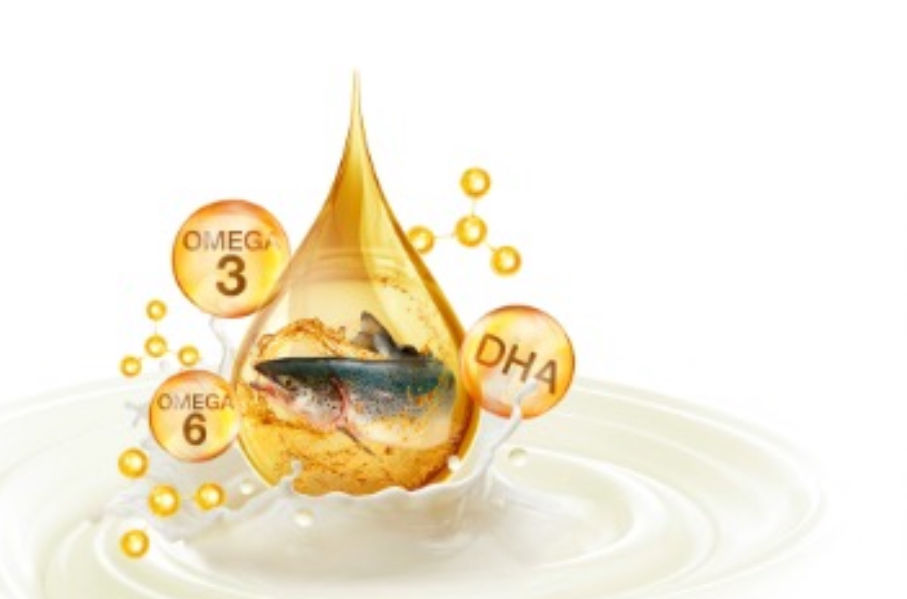
Fat is an important energy source for your dog. It also provides palatability in your dog’s food. Dietary fat plays a role in many other important bodily functions including:
Supporting cell function
Insulating organs
Providing warmth
Absorption of fat soluble vitamins
Producing important hormones
Supporting brain health
Maintaining a shiny coat
Joint health and mobility
Immune system support
Understanding The Different Types of Fat
Dietary sources of fat include:
Saturated Fats from animal sources (beef, pork, chicken, eggs, etc) and tropical oils (coconut and palm oil).
Unsaturated Fats include monounsaturated or polyunsaturated fats. These are found in higher concentrations in plant-based foods such as vegetable oils, nuts and seeds. Fish and chicken are also good sources of polyunsaturated fats.
It is important to avoid giving your dog too much fat as this can cause digestive upset or weight gain.
What Are Essential Fats?
Essential fats are types of fatty acids that dogs cannot produce on their own. They must get these fats through their diet. These include the omega-3 and omega-6 fatty acids. Omega-3 includes beneficial EPA (eicosapentaenoic acid) and DHA (docosahexaenoic acid). Both of these essential polyunsaturated fats are important but serve different purposes in your dog’s body.
Omega-3 fatty acids:
Brain and visual development for puppies
Supports the immune system
Joint health benefits
Skin health
Kidney and heart health
Cognitive function for adult dogs
Omega-6 fatty acids:
Cell function
Reproductive health
Immune support
Skin and fur health
Growth
A proper balance between omega-3 and omega-6 is necessary to keep your dog healthy.
Balancing Omega-3 and Omega-6 Fatty Acids
It is important to maintain a healthy balance between omega-3 and omega-6 fats. Too much omega-6 without enough omega-3 can promote inflammation. A good ratio to aim for is about 5:1 (omega-6 to omega-3).
All of the recipes formulated by Fresh For Fido have the ideal omega-6 to omega-3 ratio.
Sources of Essential Fats for Dogs
You can find essential fats in various foods and supplements. Here are some common sources:
Fish and Fish Oils
Fish and fish oil supplements are rich in omega-3 fatty acids, especially EPA and DHA. Whole fish, such as sardines or salmon, are great sources of omega-3 fatty acids.
Flax and Chia Seeds
Oils from seeds such as flax and chia contain ALA, a type of omega-3 fatty acid. However, ALA must be converted to EPA and DHA, and dogs are not biologically equipped to do this efficiently. Therefore, fish or fish oil superior and preferred sources.
Chicken Fat and Poultry
These are good sources of omega-6 fatty acids.
Eggs
Eggs provide both omega-3 and omega-6 fats and are a nutritious addition to your dog’s diet.
Algal Oil
This plant-based source of omega-3 is suitable for dogs with fish allergies.
Final Thoughts on Essential Fats for Dogs
When it comes to your dog's health, nutrition plays a crucial role. Among the many nutrients that support a dog's well-being, EPA (eicosapentaenoic acid) and DHA (docosahexaenoic acid) have tremendous benefits. These omega-3 fatty acids contribute to various aspects of your dog's health. Fresh for Fido recipe formulation includes just the right amount of essential fats to enhance our complete and balanced canine diets.
Recommended Products: Click to Purchase
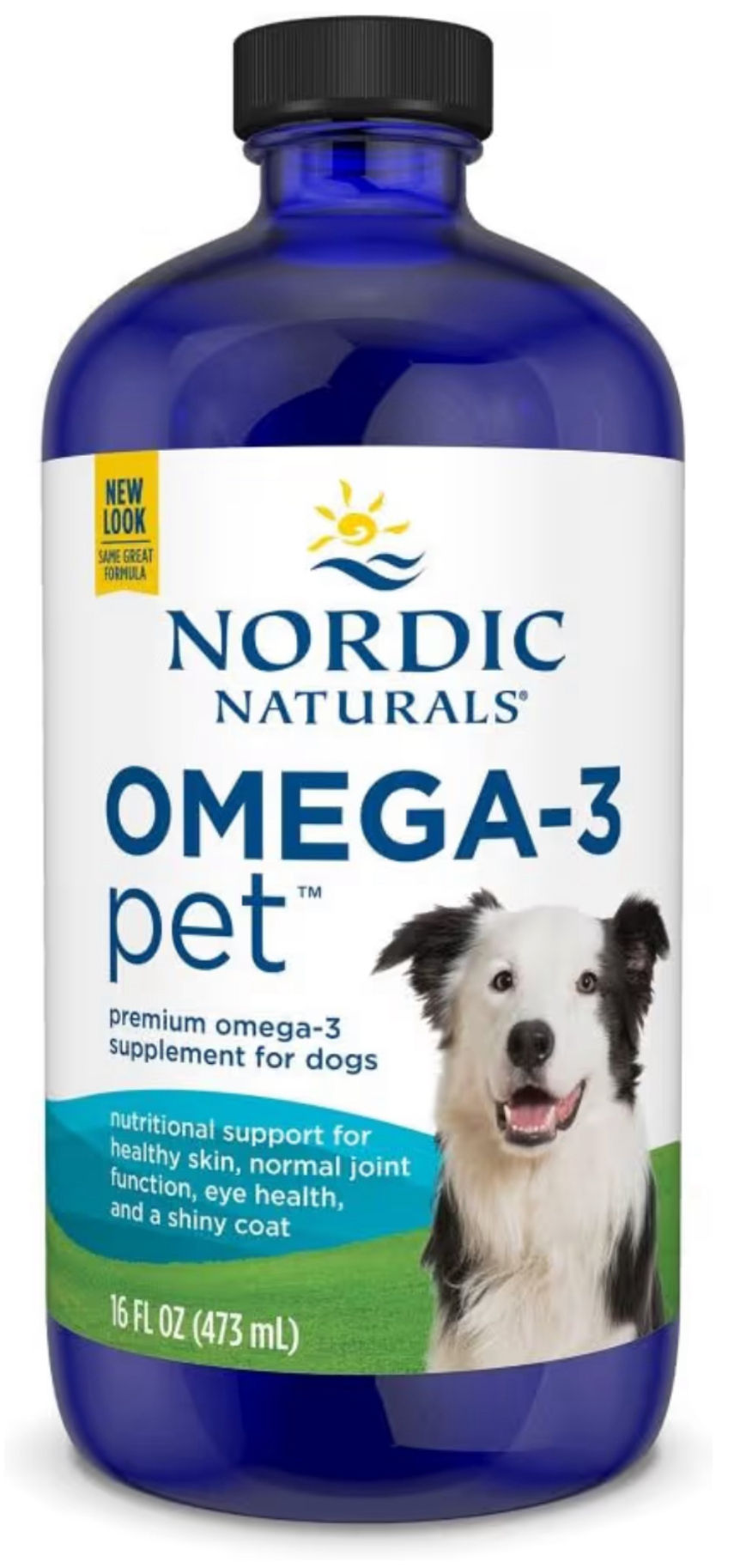
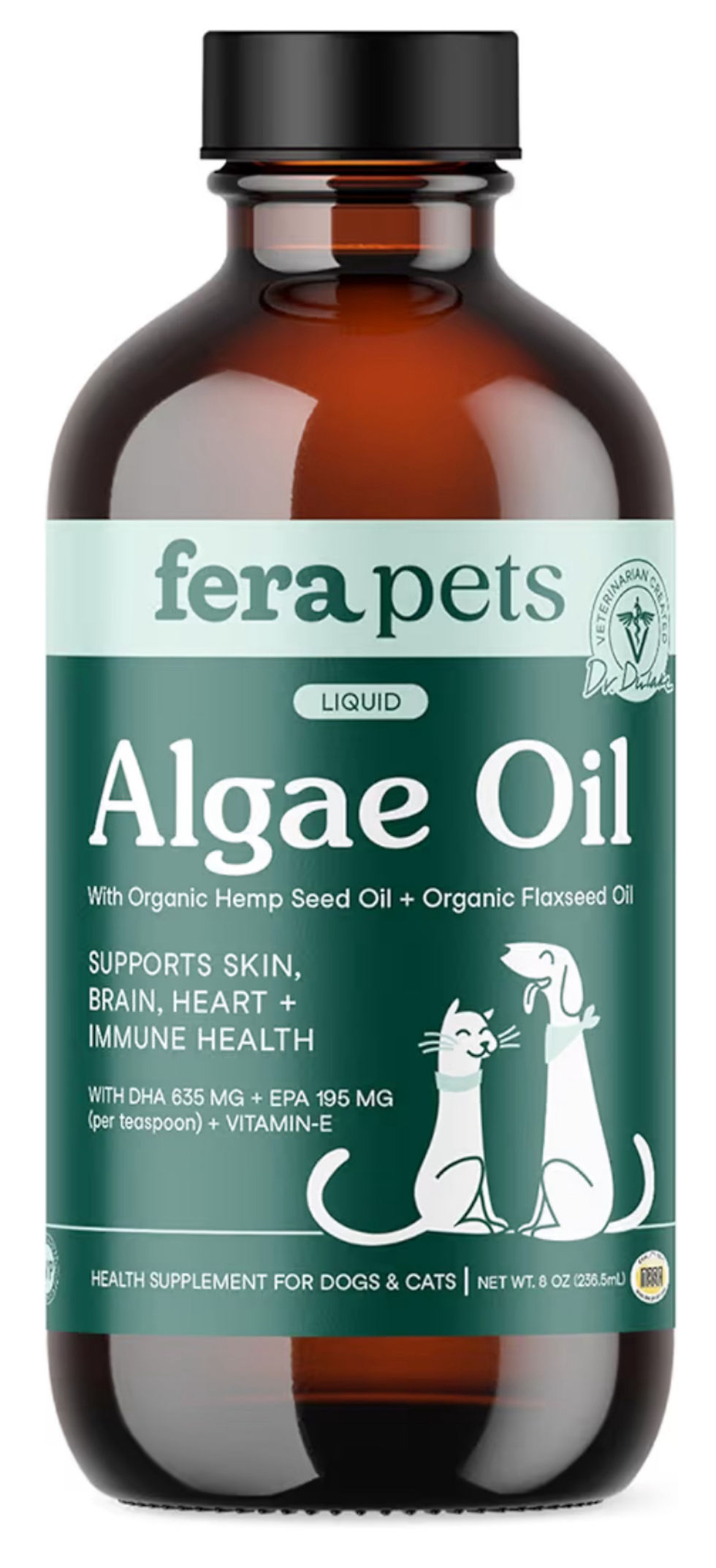

*As an Amazon Associate I earn from qualifying purchases.


Comments